|
|
ECOSYSTEMS
Scientists divide the earth into number of different vegetation zones. The plant and animal life depend on a regions climate, landscape, and latitude. Plants and animals have adapted to life in these climates, often developing features to help them to survive. |
|
|
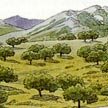
| Mediterranean: hot, dry summers and cold, wet winters (plants and trees have adapted to lack of water). |
|
 |
|
 |
|
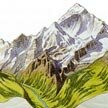
Mountains Regions: the higher, the colder, with peaks often in snow. Trees and plants grow on lower slopes only. Above the tree line, it is too windy and clod for plants to survive. |
|
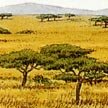
| Tropical Grassland: hot climate divided into wet and dry season; between tropical rain forests and hot dessert, called African savanna with tall grasses and low trees and shrubs. |
|
 |
|
 |
|
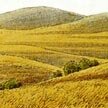
Dry Grassland: hot, dry summers and very cold winters (often used for wheat or cattle). |
|
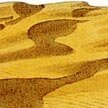
| Hot Desert: hottest, driest places on Earth; heat during a day to often below the freezing temperatures at night. In some deserts, years pass with no rain. Deserts have sandy soil that supports. |
|
 |
|
 |
|
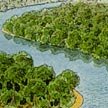
Tropical Rain Forest: hot and wet all year round, ideal for lush, green forests around equator. Rain forests may contain 50,000 different types of trees, and millions of plants and animals. |
|
|